


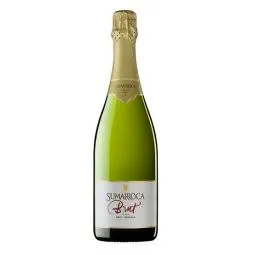
Cava Brut Reserve Sumarroca
Price
€17.46
Cava is Spain’s most iconic sparkling wine. Mostly produced in Catalonia using the traditional method, it stands out for its fine bubbles, freshness, and elegance. Ideal for toasting at celebrations or pairing with seafood and appetizers. At Gastronomic Spain, we offer a curated selection with delivery across Europe.
See moreUse our advanced search
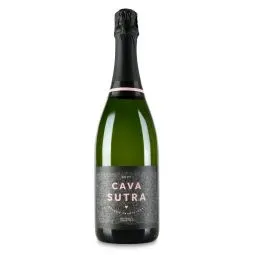
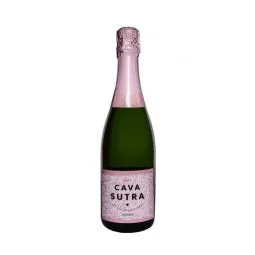
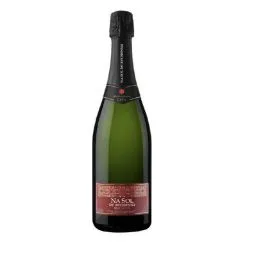
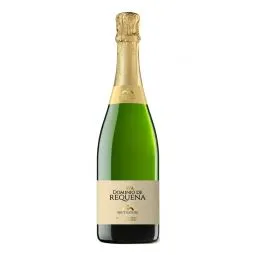
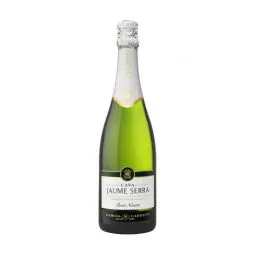
The main types of cava are classified according to their residual sugar level and aging time. The most common ones are:
Cava Brut Nature: The driest of all. It contains no added sugar after the second fermentation (less than 3g/L). Ideal for those who prefer pure and direct flavors.
Cava Brut: Contains up to 12g/L of sugar, giving it a slightly softer touch without being sweet. It is the most versatile and popular, perfect for pairing with almost anything.
Cava Reserva: More than a sweetness category, this refers to the aging time (minimum 15 months in the bottle). It can be brut or brut nature but offers more complexity and body.
Choosing the ideal type of cava depends on personal taste, pairing, and the moment it will be enjoyed.
Cava and champagne share the same production method (fermentation in the bottle) but have key differences.
Cava originates from Spain (mainly Catalonia), while champagne can only be produced in the French region of the same name.
Additionally, they use different grape varieties: cava uses Macabeo, Xarel·lo, and Parellada; champagne uses Chardonnay, Pinot Noir, and Pinot Meunier.
The Mediterranean climate of cava gives it a more fruity and less acidic profile, while champagne tends to be drier and more acidic. In terms of price, cava usually offers excellent value for money compared to the more exclusive champagne.
Cava is one of the most versatile drinks for pairing at the table. Brut nature or brut cavas pair very well with seafood or Iberian tapas, thanks to their freshness and bubbles that cleanse the palate.
Cava reserva, with more complexity, harmonizes with rice dishes, roasted poultry, or even mushrooms. For desserts or blue cheeses, a semi-dry or rosé cava can provide that ideal sweet contrast.
At celebrations, cava works both as an aperitif and for toasting at the end, especially with nougats and Christmas sweets. It is undoubtedly an elegant companion for the entire meal.

