
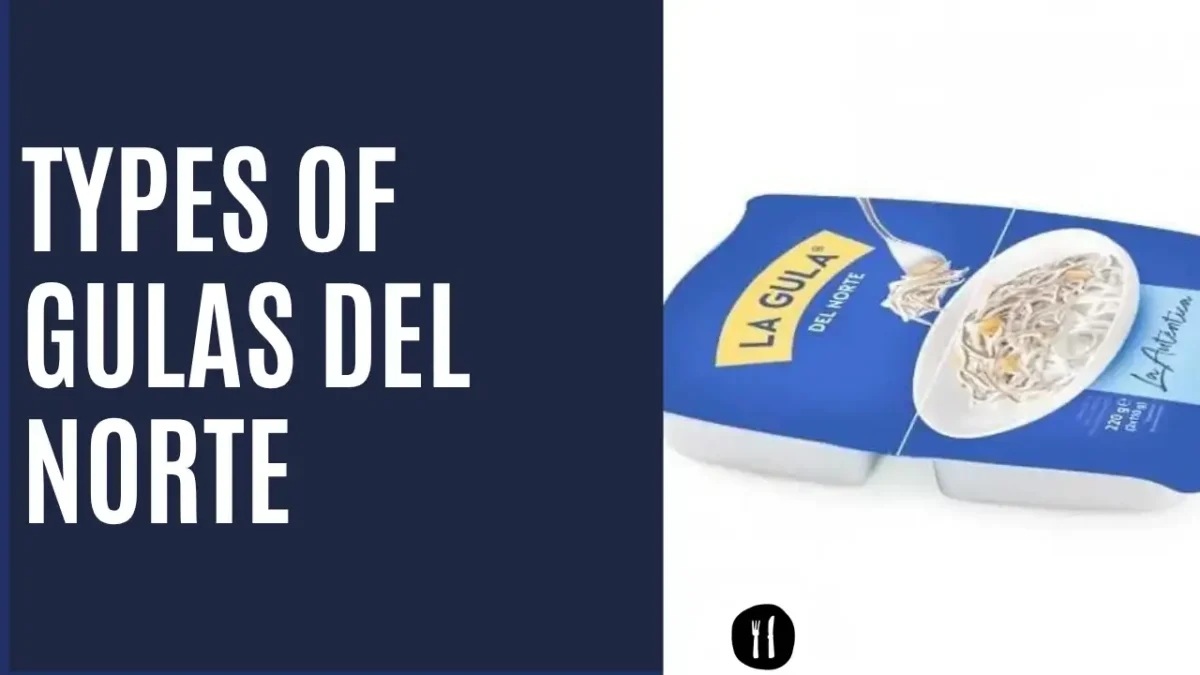
To know which types of Gulas del Norte might become your favorites, you need to understand a few things first: what gulas are, what benefits and properties they have, and the differences between them.
First of all, Gulas del Norte are one of the most popular products in modern Spanish cuisine. Inspired by traditional “angulas” (baby eels), gulas have become an accessible, versatile, and very tasty alternative that is part of many home recipes and restaurant dishes.
At Gastronomic Spain, we offer different varieties to suit various tastes and ways of consumption: from classic gulas to pre-prepared versions with garlic or shrimp. In this article, we’ll explain exactly what gulas are, what they are made of, their nutritional properties, and the different types you can find.
What Are Gulas del Norte?
Gulas are a substitute for angulas, created to offer a product with a similar texture and taste but much more accessible. Authentic angulas (baby eels) are a very exclusive and expensive food, which is why gulas were created as a culinary alternative that retains the aesthetics and versatility of the original.
This product is mainly made from surimi, a fish paste widely used in the food industry.
What Are Gulas Made Of?
Gulas are made from a mixture of carefully selected ingredients:
-
Surimi (fish paste), generally from white fish such as Alaska pollock or similar species
-
Water
-
Vegetable oil
-
Starch
-
Egg white
-
Salt
-
Flavorings and taste enhancers
Surimi is obtained by grinding white fish meat, which is then mixed with other ingredients to create a dough that is molded into fine strands resembling angulas.
Thanks to this process, gulas achieve a firm, smooth, and slightly elastic texture that is very pleasant to the palate.
Why Are They Called Gulas del Norte?
The name “Gulas del Norte” refers to their inspiration from the angulas of the Cantabrian Sea, a product closely tied to the cuisine of northern Spain, especially the Basque Country.
Although they are not real angulas, gulas have become a beloved food throughout Spain.
Nutritional Properties of Gulas
Gulas stand out not only for their flavor and culinary versatility but also for their interesting nutritional properties. While this can vary by brand and recipe, they generally have a balanced nutritional profile.
In general, gulas provide:
-
Fish protein
-
Low fat content
-
Few calories
-
Fish minerals
-
Small amounts of omega-3 fatty acids
This makes them an interesting option for a balanced diet.
Types of Gulas del Norte We Have at Gastronomic Spain
At Gastronomic Spain, we offer several varieties of gulas to suit different tastes and preparation methods.
Each type has its own characteristics in terms of flavor, preparation, and nutritional profile.
1. Regular Gulas
Regular gulas are the most classic and versatile version.
They are generally presented unseasoned, ready to be cooked or incorporated into any recipe.
Characteristics:
-
Mild fish flavor
-
Firm and pleasant texture
-
No added seasonings
-
Great versatility in cooking
How Are They Usually Cooked?
Regular gulas can be used in many recipes:
-
Sautéed with garlic and chili
-
In scrambled eggs
-
With pasta or rice
-
In warm salads
-
On toast
They are perfect for those who prefer to cook the dish from scratch and control the ingredients.
Benefits of Regular Gulas
-
Low fat content
-
Good source of protein
-
Culinary versatility
-
Allows for recipe customization to any diet
2. Gulas al Ajillo
Gulas al ajillo are one of the most popular preparations in Spain.
In this case, the gulas come pre-sautéed or prepared with garlic and oil, giving them a much more intense flavor.
Characteristics:
-
Stronger flavor
-
Distinct garlic aroma
-
Juicy texture
-
Ready to heat and serve
Garlic is a common ingredient in Mediterranean cuisine and adds a special touch to gulas.
Benefits of Gulas al Ajillo
In addition to the properties of the gulas themselves, this version incorporates benefits associated with garlic.
Garlic is known for:
-
Its antioxidant properties
-
Its possible contribution to cardiovascular health
-
Its natural antibacterial effect
This makes Gulas al Ajillo a tasty and quintessential dish in Spanish cuisine.
3. Gulas al Ajillo with Shrimp
Gulas al ajillo with shrimp is an even more complete and flavorful version.
In this case, the product combines:
-
Gulas
-
Garlic
-
Oil
-
Shrimp
This creates a dish very popular in bars and restaurants throughout Spain.
Characteristics:
-
More intense and marine flavor
-
Higher protein content
-
A more complete dish
-
Ready to heat
The shrimp adds a gourmet touch that elevates the dish and makes it a perfect choice for appetizers or tapas.
Benefits of Gulas with Shrimp
This version combines the properties of fish with those of seafood.
Shrimp are known for providing:
-
High-quality protein
-
B vitamins
-
Minerals like selenium
-
Low fat content
This makes Gulas with Shrimp a very interesting option for those seeking a tasty and nutritious dish.
In Conclusion, What Are the Differences Between These Three Types of Gulas del Norte?
Although all the products share the same base, there are clear differences between them.
| H2 Type of Gulas | Flavor | Preparation | Use in Cooking |
|---|---|---|---|
| Regular Gulas | Mild | Unseasoned | Maximum versatility |
| Gulas al Ajillo | Intense | With garlic and oil | Quick dish |
| Gulas with Shrimp | More complete | With garlic, oil, and shrimp | Appetizer or main dish |
In summary:
-
Regular gulas are perfect for cooking from scratch.
-
Gulas al ajillo offer a quick, flavorful dish.
-
Gulas with shrimp provide a more gourmet touch with higher protein content.
Gulas del Norte have become an essential ingredient in many kitchens thanks to their mild flavor, ease of preparation, and great versatility.
They also provide protein, few fats, and a very pleasant texture, making them an interesting option for different types of recipes.
At Gastronomic Spain, you can find different varieties that suit every occasion:
-
Regular gulas to cook to your liking
-
Gulas al ajillo for a quick and tasty dish
-
Gulas al ajillo with shrimp for a more complete, seafood experience