
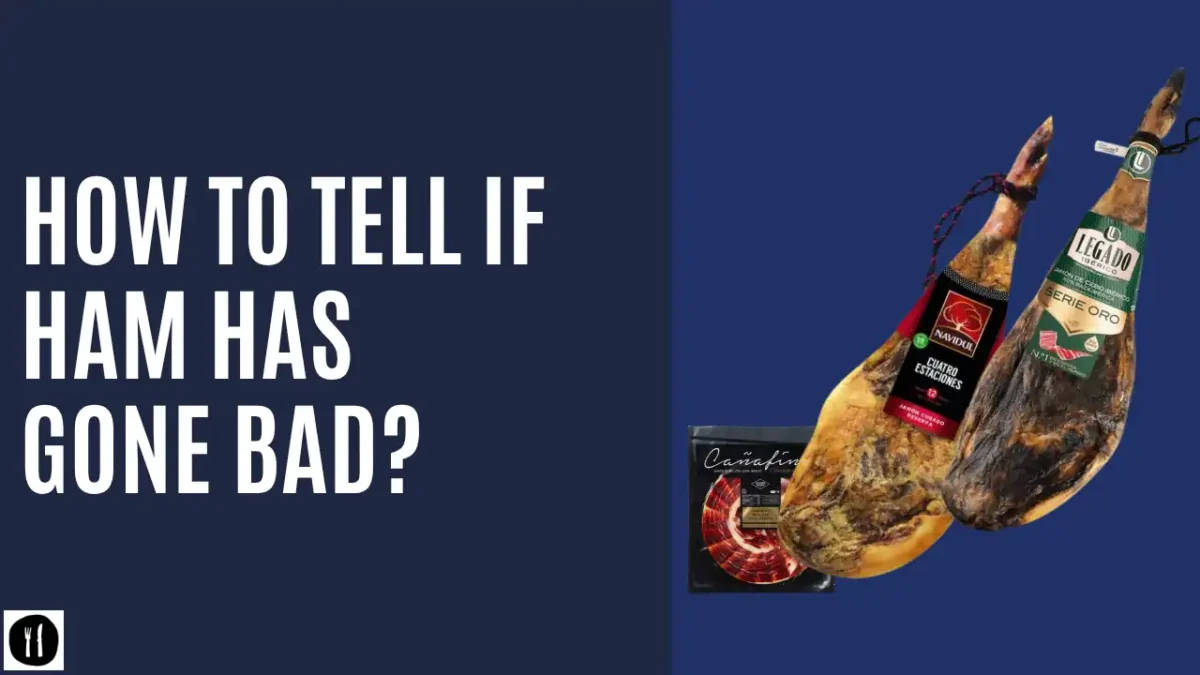
Ham is one of the most prized products in Spanish gastronomy, but, like any food, it can lose quality or spoil if it is not stored properly. So, How to Tell If Ham Has Gone Bad ? Knowing how to identify the signs of spoilage is essential to enjoying its flavor while avoiding potential health risks.
Color changes, the appearance of unusual spots, the presence of mold, and changes in smell are some of the things you should check before eating it. However, not all visible changes mean that ham has gone bad. Some, such as the small white crystals that develop during the curing process, are completely natural. Here, we explain everything you need to know.
How to Tell If Ham Has Gone Bad by Looking at It
Appearance is one of the first things to check when determining whether ham is still in good condition. Changes in color, unusual spots, or a surface that looks different from normal may indicate that the product has deteriorated.
It is equally important to understand the natural characteristics of cured ham and recognize the signs that may indicate spoilage.
What Color Should Ham Be When It Is Still Good?
The color of ham varies. In the case of Serrano ham and Iberian ham, the meat usually ranges from pink to deep red or burgundy. The fat may appear white or slightly yellowish.
If you notice significant color changes that are not typical of the product, you should pay attention, especially if they are accompanied by unpleasant odors, a slimy texture, or changes in the packaging.
What Do White Spots on Ham Mean?
One of the most common causes of small white spots on cured ham is the presence of tyrosine crystals. Tyrosine is an amino acid that can crystallize during the product’s aging and curing process.
These crystals may be associated with the changes that occur during prolonged curing and do not, by themselves, mean that the ham has gone bad.
The situation becomes more concerning when the spots have a cotton-like appearance, spread across the surface, or are accompanied by other signs of spoilage.
When Should Green, Gray, or Black Spots on Ham Be a Cause for Concern?
Another warning sign that can help you How to Tell If Ham Has Gone Bad is the appearance of green, gray, or black spots that you cannot confidently identify. This is particularly important with ready-to-eat slices of cooked or cured ham. If you suspect spoilage, do not taste the product to check whether it is still good. The safest option is to discard it.
For a whole piece of cured ham, it is important to assess the type of discoloration and follow the manufacturer’s storage instructions. If the spots look unusual or are accompanied by other suspicious signs, contact the retailer where you purchased it or avoid eating it until its condition has been clarified.
How to Tell If Ham Has Gone Bad Because of Mold
During the production of certain cured hams, surface mold may develop as part of the aging process. However, not all molds are the same, and you cannot determine whether a particular type is harmless based on its color or appearance alone.
By contrast, if mold appears inside a package of ready-to-eat sliced ham, especially one that requires refrigeration, the safest option is to discard the product.
Is It Normal for Serrano or Iberian Ham to Have Mold on the Outside?
If you have a commercially produced whole ham, the best approach is to follow the manufacturer’s instructions and consult the supplier if its appearance seems unusual.
If you notice significant color changes, an unpleasant smell, unusual moisture, or deterioration that you cannot identify, avoid eating the product until you have clarified its condition.
Can You Eat Ham With White Mold?
It is important to distinguish between the different signs that can help you How to Tell If Ham Has Gone Bad. Some white spots on cured ham are tyrosine crystals or solidified fat rather than mold.
So, what should you do if mold appears on a ham that has already been opened? If you find spots that look like mold on ready-to-eat slices of Serrano, Iberian, or cooked ham, the recommended course of action is to discard the product. Removing the affected slices, cleaning the surface, or cooking the remaining ham is not enough to make it safe to eat.
With a whole piece of cured ham, the situation may be different if the growth is superficial and associated with the curing process. Even so, if you cannot identify it, the prudent choice is to consult the manufacturer or the specialist retailer where you purchased the ham and ask for advice on How to Tell If Ham Has Gone Bad.
What Does Ham Smell Like When It Has Gone Bad?
Smell is another factor that can help you identify whether ham has spoiled. Although its aroma varies depending on the type of product and how it was made, a distinctly unpleasant or unusual smell can be a warning sign.
Pay attention if you notice a sour, rancid, putrid, or otherwise clearly unpleasant odor that is not characteristic of the ham.
What Should Ham Smell Like When It Is Still Good?
Serrano and Iberian ham typically have a rich, pleasant aroma, with notes that develop during the salting, drying, and aging processes. Depending on the piece, you may notice sweeter, saltier, or cured-fat aromas.
Cooked ham, on the other hand, has a milder, more delicate aroma, characteristic of a cooked product that is ready to eat.
If ham smells strange when you first open a vacuum-sealed package, this may be due to the accumulation of aromatic compounds inside the sealed packaging and the natural characteristics of the product itself.
In some cases, the initial smell fades after opening the package and allowing the product to air briefly. However, if the unpleasant smell persists or you notice other signs of spoilage, do not eat it.
Gastronomic Spain Helps You Learn How to Tell If Ham Has Gone Bad
At Gastronomic Spain, we know that enjoying good ham means much more than tasting a high-quality product. It is also important to know how to store it properly and what to do when you have doubts about its condition.
Many customers trust us to purchase their favorite hams in different formats, from whole hams to pre-sliced ham and ham sliced by hand with a knife. That is why we understand that questions may arise about the product’s storage, appearance, smell, or texture once it arrives at your home.
If you have concerns about the condition of your ham or any other questions, our customer service team will be happy to help and guide you on what to do based on the product’s characteristics and storage conditions.
What’s more, you can shop for your favorite Spanish gastronomic products in our online store and have them conveniently delivered to your home.
At Gastronomic Spain, we ship ham and other Spanish products throughout Europe, offering two delivery options so you can choose the one that best suits your needs:
- Standard shipping: Estimated delivery within 3–6 days.
- Express shipping: Estimated delivery within 24–48 hours.
Fancy enjoying some delicious Spanish ham? Visit the Gastronomic Spain online store, explore our selection of whole hams, pre-sliced ham, and ham sliced by hand with a knife, and bring the authentic taste of Spain to your table.
Because enjoying good ham also means knowing how to choose it, store it properly, and find help whenever you need it.